
At the front of
what comes next.
Frontmark is an AI-native company-building institution. We form companies, build them with agents and own them for the long term.
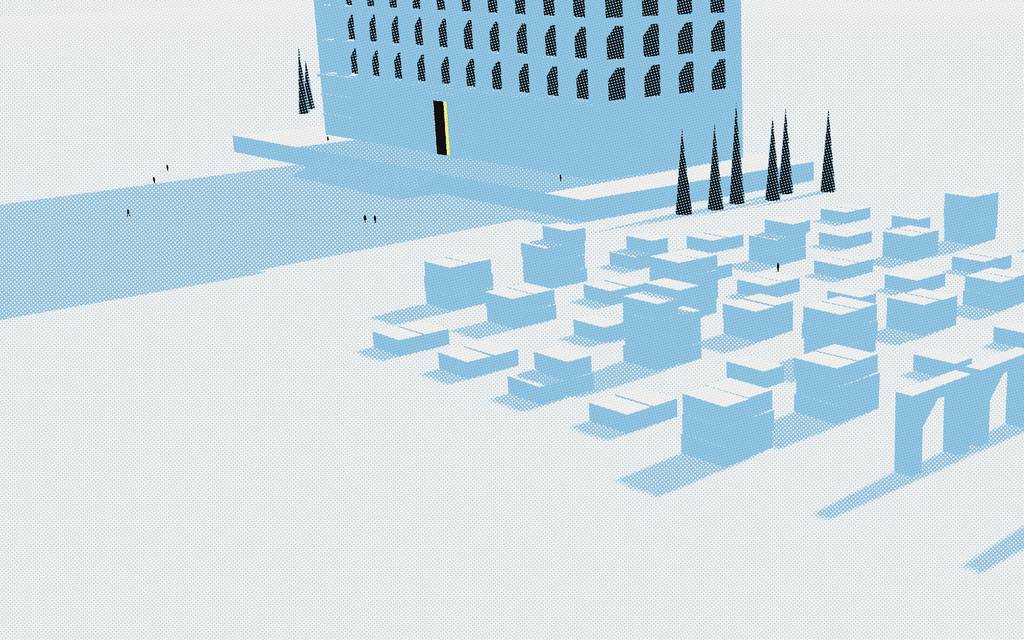
Capability is not yet a company.
Anyone can cut stone now. Building is no longer the hard part, and the yards are full of finished parts that nothing was built from.
Three things are short.
They are the judgment to choose the site, the access to open the market, and an owner who is still there in year five. Frontmark is organised around them.
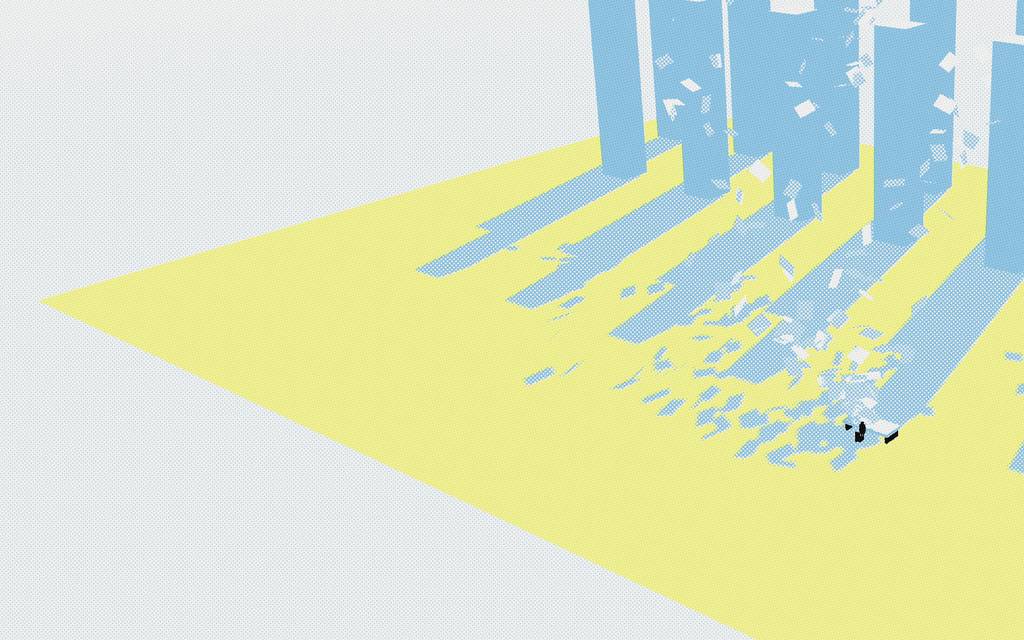
Most of Frontmark is not people.
It is a swarm of agents. They read markets, test whether anyone will pay, write the product and make the tool the next job needs.
All of it lands on one desk.
It stops when one person raises a hand.
Operators, founders and entrepreneurs steer the swarm. It knows which of them to ask, and for what: a decision, an opinion, a door. The work waits for the answer.

Research.
Every opening is read. Almost all are struck out.
- Agents
- Read markets, costs and customer behaviour without stopping, and bring back each opening with its evidence.
- Operators
- Decline most openings and keep one.
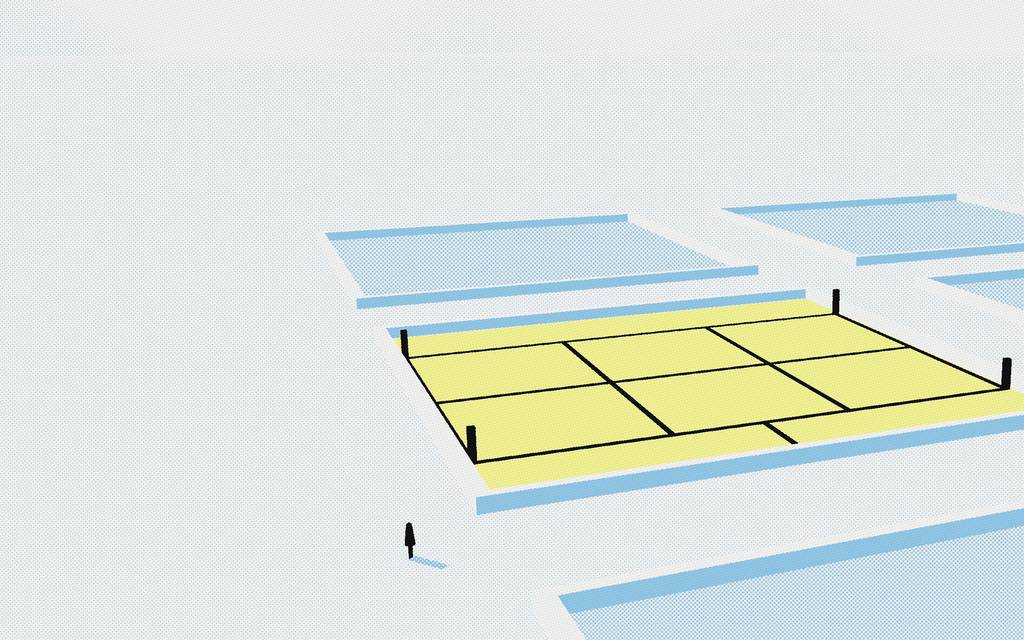
Form.
The company is drawn before it is built.
- Agents
- Test demand and price against real buyers before anything exists.
- Operators
- Name the customer and answer for the plan.

Build.
The parts already exist. The company is what gets built from them.
- Agents
- Write the product, run the launch and make whatever tool the next job needs.
- Operators
- Set the price and hold the standard for what ships.

Back.
Commitment follows evidence.
- Agents
- Keep the evidence current: who came, who paid and who came back.
- Operators
- Commit more, hold, or stop.

Compound.
Every company should make the next one stronger.
We build companies to keep them. What one learns stays in the house: its tools, its customers' trust and its people. The next starts on top of it.

The part we don't publish.
Behind the swarm is a collective of entrepreneurs, founders, operators and key people: people whose calls get returned. They are not listed here.
Some doors open from the inside.
When a company needs a customer, a licence or a meeting that no cold email will get, one of them makes the call.
The table.
Three routes are decided here.
- Incubate
- A company still to be started. We start it with the person who knows the problem.
- Accelerate
- A company that works and is short of hands. The swarm, the capital and the collective go in.
- Acquire
- A company worth keeping whose owner is done. We buy it, and we keep it.
A seat is offered. The collective

Build at the front.
Bring a problem you know from the inside, a market you can open, or capital with patience. We answer what fits.
Three ways in.
- Founders and operators
You have a problem.
You know it from the inside and can name who has it. We bring the agents, the capital and the collective.
- Strategic partners
You have a market.
Distribution, infrastructure or customers that companies should be built on. We build them there, with you.
- Capital partners
You have capital.
We meet capital partners by introduction. Write, and name who we have in common.
How companies get built when agents do the work.
All insightsQuestions, answered.
What is Frontmark?
Frontmark is an AI-native company-building institution. It forms companies, builds them with agents and owns them for the long term. Agents do the volume of the work, one accountable operator makes each decision that needs judgment, and a collective of entrepreneurs, founders, operators and key people opens the markets a new company cannot reach alone.
What does Frontmark actually do?
Frontmark is built to start companies, accelerate the ones that earn it, and acquire when owning is the better route. One model runs through all three routes: Research. Form. Build. Back. Compound. Agents do the research, the testing and the building. Operators decide which company should exist and when to stop.
Why does Frontmark say building is no longer the hard part?
It is the thesis Frontmark is built on. When anyone can build, finished parts pile up and most are never made into a company. What stays short is the judgment to choose what to build, the access to open a market, and an owner who is still there in year five. Frontmark is organised around those three.
How is Frontmark different from using AI tools inside a normal firm?
Most firms give their people an assistant and keep the same structure. Frontmark is organised the other way round. Agents carry the work from start to finish and make their own tools, and the work stops when a decision needs judgment. An operator makes that decision, holds the standard and answers for the result.
Is Frontmark a venture studio, an accelerator, a holding company or a fund?
It does the work of several. It builds companies as a studio does, develops them as an accelerator would, and keeps ownership as a holding company does. It is not a venture fund, runs no cohort and offers no standard terms. The category is AI-native company-building institution.
Is Frontmark an AI roll-up?
No. An AI roll-up acquires existing businesses and applies AI to them. Frontmark's primary work is building new companies and holding them for the long term. Acquire is one of its three routes, used selectively when owning is the better way to a capability or a customer base.
Do Frontmark's companies run themselves?
No. Agents carry the volume: research, demand tests, code, distribution and their own tooling. An operator answers for the customer, the standard, each commitment of capital and the decision to stop. Agents still finish fewer tasks than they start, and they sound sure either way.
What is the Frontmark swarm?
The swarm is the private body of AI agents that carries the volume of Frontmark's work. Operators, founders and entrepreneurs set its direction, and it knows who to ask: an operator for a decision, a founder for a standard, a member of the collective for a door. It works only on the companies Frontmark builds.
What is the Frontmark collective?
Behind the agents is a collective of entrepreneurs, founders, operators and key people. They make the decisions the agents bring to them, and they open what a model cannot: introductions, distribution, customers and markets closed to a cold approach. Frontmark does not publish the names of its operators or its companies yet.
Who should contact Frontmark?
There are three ways in. Founders and operators bring a problem they know from the inside and can name who has it. Strategic partners bring distribution, infrastructure or customers that companies should be built on. Capital partners are met by introduction. We answer what fits.